Introduction
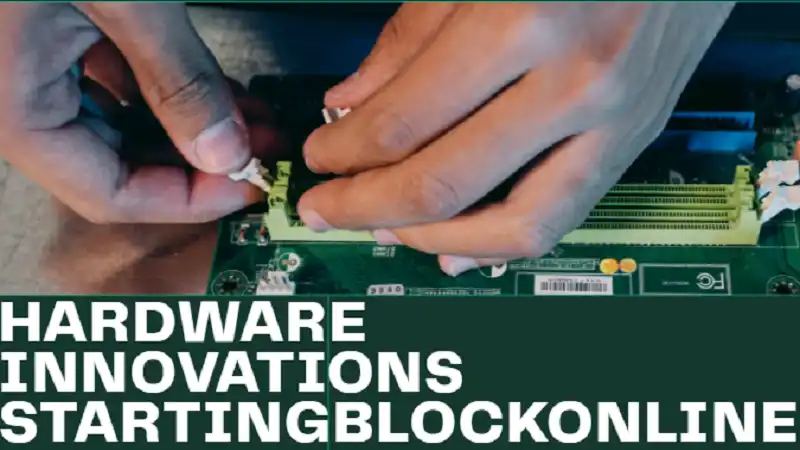
Technology continues to change how people live, work, communicate, and solve everyday problems. While software applications receive considerable attention, hardware innovations are equally important because they provide the physical tools that make modern technology possible. From smart devices and advanced sensors to energy-efficient machines, hardware development creates opportunities for businesses, engineers, and entrepreneurs. Hardware innovations startingblockonline is a useful topic for exploring how new hardware ideas can become practical products. Understanding the development process helps innovators identify real problems, create useful solutions, and build reliable devices. This article explains major hardware trends, development strategies, common challenges, and practical steps for turning an idea into a working product.
1. Understanding Hardware Innovation
Hardware innovation involves designing, improving, or developing physical products that perform tasks more effectively. These products may include electronic devices, computer components, medical equipment, industrial machines, and smart home systems.
Unlike software, which can often be updated digitally, hardware usually requires physical materials, manufacturing processes, and product testing. Successful innovation therefore combines creativity with engineering knowledge, careful planning, and an understanding of customer needs.
For example, a company might develop a smaller environmental sensor that measures air quality more accurately while consuming less energy. Such an improvement can make the product more affordable, convenient, and useful.
2. Emerging Trends in Hardware Technology
Several important trends are influencing hardware development and creating opportunities for startups.
Artificial Intelligence Hardware
Artificial intelligence depends on computing hardware capable of processing large amounts of information. Specialized processors, edge-computing devices, and efficient chips help systems perform complex tasks faster.
These technologies can support applications such as industrial inspection, voice recognition, robotics, and predictive maintenance. Processing information locally can also reduce delays and limit the need to transfer sensitive data to remote servers.
Internet of Things Devices
The Internet of Things connects physical devices through networks, allowing them to collect and exchange information. Smart thermostats, connected agricultural sensors, and industrial monitoring systems are common examples.
Startups can develop useful products by focusing on specific problems, such as monitoring water consumption or detecting equipment failures. Reliable connectivity, security, and long battery life are essential considerations.
Sustainable and Energy-Efficient Hardware
Energy efficiency has become an important goal in modern product design. Engineers are exploring low-power electronics, recyclable materials, repairable components, and longer-lasting batteries.
These improvements can reduce operating expenses and environmental impact. Products designed for easier repair may also last longer, helping customers avoid unnecessary replacements.
3. How Startups Can Develop Hardware Ideas
Developing hardware requires more than an interesting concept. Entrepreneurs must determine whether their idea solves a meaningful problem and whether it can be produced at a reasonable cost.
Identify a Real Problem
Begin by researching a problem that customers regularly experience. Speak with potential users, observe existing solutions, and identify their weaknesses. A clear problem statement helps keep the project focused.
Build a Simple Prototype
A prototype is an early version of a product used to test its basic functions. Developers can use development boards, inexpensive sensors, 3D-printed parts, or existing electronic components to build an initial model.
The purpose is to test assumptions before investing heavily in manufacturing. Early prototypes do not need to look attractive; they need to demonstrate whether the central idea works.
Test and Improve the Design
Testing should cover performance, safety, reliability, usability, and energy consumption. Gather feedback from potential customers and use it to improve the design. Repeated testing can reveal problems that are difficult to identify during the planning stage.
4. Hardware Innovations Startingblockonline and Product Planning
A structured development plan can help hardware startups manage costs and avoid unnecessary delays. The process should include market research, technical design, prototyping, testing, manufacturing preparation, and post-launch support.
Teams should estimate the costs of components, tools, production, packaging, shipping, and product certification. They should also identify suppliers early and investigate whether essential components may become difficult to obtain.
Creating a realistic schedule is equally important. Hardware development often takes longer than expected because physical components may require redesigning, replacement, or additional testing. A clear plan helps teams manage these risks while keeping the product focused on its intended purpose.
5. Common Challenges in Hardware Development
Hardware startups face several challenges that require careful management.
High development costs: Electronic components, specialized equipment, engineering services, and manufacturing tools can be expensive. Startups can reduce initial expenses by building small prototypes and testing demand before committing to large production orders.
Manufacturing difficulties: A prototype that works in a laboratory may not perform consistently when produced in large quantities. Design-for-manufacturing principles help engineers create products that are easier to assemble, inspect, and repair.
Supply chain problems: Component shortages and delivery delays can interrupt development. Working with reliable suppliers and identifying alternative components can reduce dependence on a single source.
Safety and compliance: Electronic and connected products may need to meet applicable electrical safety, electromagnetic compatibility, environmental, or wireless communication requirements. Requirements depend on the product and the markets where it will be sold.
6. The Role of Research and Collaboration
Research helps innovators understand technical possibilities, customer expectations, and competing products. Universities, engineering communities, laboratories, manufacturers, and industry specialists can provide valuable knowledge and practical support.
Collaboration is especially useful when a project requires expertise in electronics, mechanical engineering, industrial design, software, and manufacturing. Combining these skills can help teams identify design problems earlier and make better decisions.
Hardware innovations startingblockonline can be approached as a learning framework: research carefully, test assumptions, seek expert feedback, and improve the product using evidence rather than guesswork.
7. Practical Tips for Building a Successful Hardware Startup
Entrepreneurs can improve their chances of success by following a few practical principles:
- Start small: Develop a minimum viable prototype that demonstrates the product’s main function.
- Set a budget: Track component costs, development expenses, testing fees, and expected production costs.
- Prioritize reliability: Test the product under realistic operating conditions before releasing it.
- Protect information: Use appropriate confidentiality agreements when sharing sensitive designs, and investigate intellectual property protection where relevant.
- Listen to customers: Collect feedback from real users instead of relying only on personal assumptions.
- Maintenance plan: Consider repairs, software updates, replacement parts, warranties, and customer support from the beginning.
These steps help startups make informed decisions while reducing avoidable risks.
Conclusion
Hardware innovation creates opportunities to solve practical problems through better devices, smarter systems, and more sustainable products. However, success depends on much more than inventing something new. It requires customer research, thoughtful engineering, careful financial planning, thorough testing, and dependable manufacturing.
By understanding emerging technologies and following a structured development process, entrepreneurs can turn promising ideas into useful products. Hardware innovations startingblockonline represents an opportunity to explore these principles and understand how practical planning, collaboration, and continuous improvement can support responsible hardware development.